
Assessing Lead Exposure Risks from Commonly Used Consumer Products in Malawi

Lead poisoning remains a major but poorly characterized public health challenge in low- and middle-income countries (LMICs). An estimated half of children in LMICs have elevated blood lead levels (BLLs), yet dominant exposure sources are often unknown.
From February-September 2025, Lead Research for Action (LeRA) conducted a market-based lead content study in Malawi to assess lead exposure risks from commonly used consumer products. This study aimed to identify consumer products that may substantially contribute to lead exposure in Malawi.
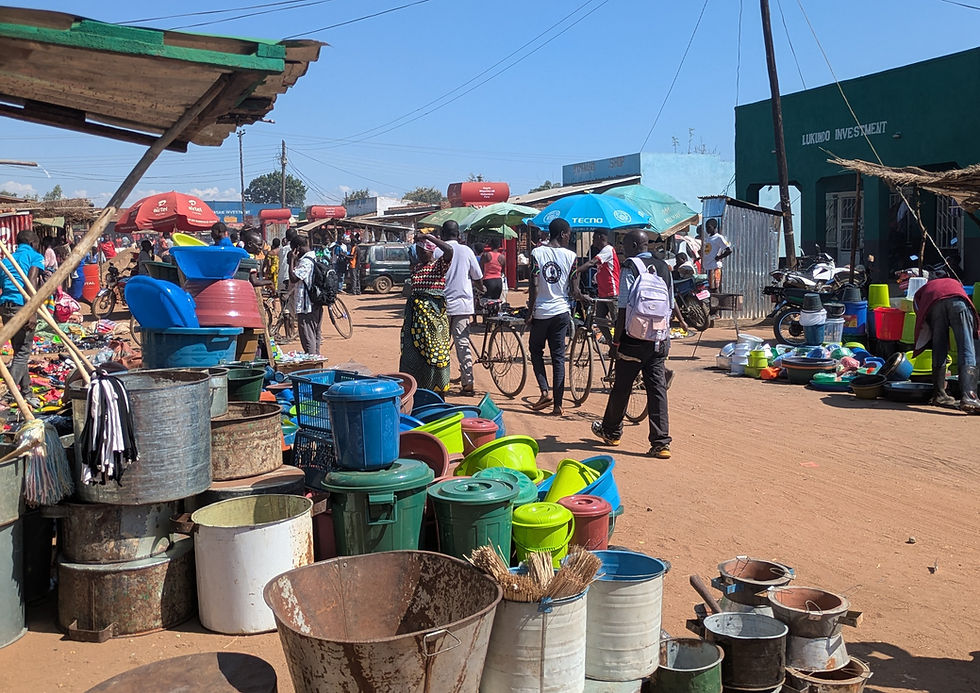
LeRA sampled 747 consumer products from 24 markets across three Malawian districts, spanning 12 product categories. Sampling was purposive, targeting products that are widely used, consumed in high volumes, and/or plausibly linked to direct exposure pathways. Products were analyzed using portable X-ray fluorescence (XRF), with a subset validated using ICP-MS or ICP-OES. Testing was complemented by more than 200 structured interviews with consumers and vendors to characterize usage patterns and supply chains.
Marked heterogeneity in lead content was observed across categories. Both informally and formally produced metallic cookware frequently contained elevated lead concentrations, with over half of samples exceeding 100 ppm. Plastic foodware showed substantial variation in lead content by color and brand, with some items exceeding 1,000 ppm. Geophagic materials consumed during pregnancy had lead concentrations greatly exceeding maximum acceptable levels for directly ingested items; biokinetic modeling indicated potentially large associated increases in maternal and fetal BLLs. A subset of foods, particularly dried leafy greens, also showed elevated lead concentrations.
These findings identify several consumer product categories as potentially significant sources of lead exposure in Malawi and provide an evidence base for further targeted investigation and development of mitigation strategies.
Access the full report here.